

About
Between the past and the future lies what is undone
Cartheur Research was founded in 2009 to explore artificial reasoning and to translate cybernetic ideas into real-world systems. The work spans applied AI, robotics, and low-power computing, with an emphasis on ethical design and durable architecture.
Origins
- Formal study of artificial reasoning began in 1995
- Rooted in cybernetics and adaptive systems theory
- Focused on practical, human-aligned machine intelligence
- Stochastic epistemic cuts for artificial systems in 2012
- Strong implementation of Berkeley symbolic logic in 2023
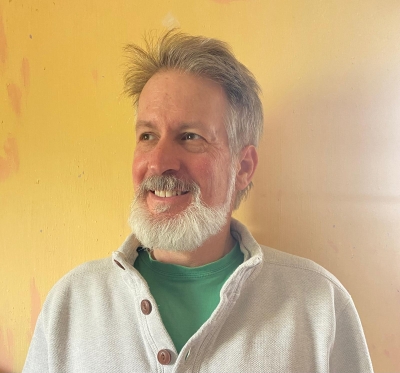
Dr. Christopher A. Tucker
AI engineer and cyberneticist with more than two decades of experience designing intelligent, fault-tolerant systems. Research includes energy-efficient AI hardware, adaptive control, and large-scale model deployment.
- Ph.D. research at the University of Reading under Professor Kevin Warwick
- Patented method for artificial living entities (US20180204107A1)
- Architected AI systems spanning robotics, cloud, and edge platforms
Team
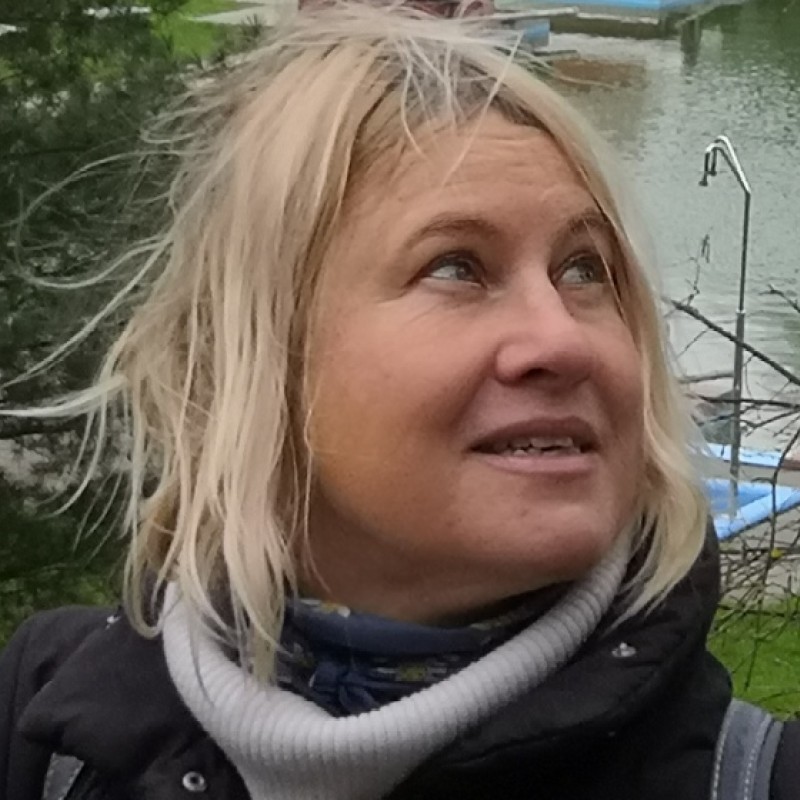
A focused, seasoned team blending engineering, creative design, robust implementation, and streamlined go-to-market execution. We pair hands-on research with production delivery, translating complex ideas into dependable systems and clear outcomes. Each collaborator brings a deep craft background, a bias for practical results, and a shared commitment to human-aligned intelligence.



Research philosophy
Cartheur blends philosophy, physics, and engineering into a single practice: build systems that can reason under constraints, adapt to change, and respect human context.
- Artificial reasoning as a practical engineering discipline
- Cybernetics for better feedback and accountability
- Low-energy computation for sustainable intelligence
- Open research and shared technical knowledge
- Human-centric behavioral approach to machine intelligence
 The Artificial Life Robotics Show
Listen to conversations on robotics, intelligence, and systems design.

 Support our work
Help keep independent research moving forward.
You can be a pivotal force to help the next generation learn and understand the power of sovereign computing.
